Pain is not a solitary problem to fix, it is an intricate experience that spans physiology, psychology, atmosphere, and assumptions. Efficient medical professionals learn to read more than a pain rating. They analyze the trajectory of discomfort, the dangers of undertreatment and overtreatment, the context of the occasion, and the social characteristics that shape an individual's feedback. The competency system PUAEME008 Provide pain monitoring rests squarely in that truth. It is designed for first responders and clinicians that handle discomfort in vibrant setups, consisting of prehospital and emergency care. The most effective way to deliver it, and similar pain administration courses, is via combined discovering that integrates eLearning, simulation, and workplace coaching.
I have enjoyed gifted clinicians stumble due to the fact that they might state pharmacology yet struggled to titrate analgesia while ferrying a client down a narrow stairs at midnight. I have actually additionally seen peaceful younger nurses outmatch confident elders by adhering to a self-displined evaluation routine and by utilizing low-tech procedures that lots of neglect. Good training creates both kinds of ability: knowledge that sticks and tranquil issue fixing under pressure.
Where PUAEME008 Fits in the Treatment Landscape
PUAEME008 Give pain administration (frequently shortened to PUAEME008) is typically consisted of in emergency care skill sets in Australia and in organisations that mirror that expertise framework. The system focuses on assessing pain, applying ideal pain relief, tracking, and documenting results. It anticipates students to operate within clinical administration, adhere to medicine safety principles, and manage unfavorable effects.
An usual misconception is that this device is just about pain management courses for physiotherapists medicine protocols. It is wider. The intent is to make sure a responder can give discomfort administration that is secure, honest, and reliable for the situation before them. That may mean titrated opioids with capnography, or it could imply peace of mind and splinting while you await back-up. The most qualified grads are at simplicity along that spectrum.
Typical individuals consist of paramedics, occasion paramedics, registered nurses in intense settings, physio therapists who operate in urgent triage or post-operative paths, and remote clinicians who typically function as the initial and only -responder. The system pairs well with resuscitation and injury components, but it likewise enhances day-to-day method in wards and area treatment by sharpening assessment and communication.
Why Blended Understanding Matters for Pain Monitoring Courses
Pain administration training courses fall flat when they lean too greatly on slides and theory. On the other hand, pure simulation without basing in evidence brings about folklore and irregular treatment. Mixed understanding resolves this by sequencing expertise, practice, and feedback.
An excellent program places the conceptual hefty training into self-paced eLearning. Learners can digest neurophysiology, pharmacology, and guidelines without the moment stress of a classroom. Then, the face-to-face part focuses on circumstance technique, choice making, and the hands-on abilities that can not be gained from a display. Finally, monitored workplace application and coaching locks in habits and offers context that no laboratory can fully replicate.
When you blend PUAEME008 with other pain administration training programs, you can map fundamental components throughout disciplines while maintaining role-specific competencies. Registered nurses might drill postoperative discomfort strategies, while physio therapists concentrate on mobilization techniques layered with analgesia timing. Paramedics work with multimodal emergency situation discomfort administration in loud, unsure atmospheres. Everyone shares a common assessment language and security framework.
Building Blocks: Core Ideas Every Course Ought To Cover
Any trustworthy discomfort monitoring course, whether it leads to a discomfort administration certification or stands as one of a number of short courses in pain monitoring, needs to hit a set of non-negotiable concepts.
Start with discomfort mechanisms. Nociceptive, neuropathic, and nociplastic pain act in a different way. If an individual with radicular pain at L5 is dealt with like an ankle sprain, frustration is inescapable. Learners must be able to identify warnings, identify peripheral from main sensitization, and identify when discomfort is disproportionate to injury.
Assessment is the following pillar. Numeric scales are handy, yet they are not an endpoint. Watch the breathing pattern, search for sweat, note protective posturing, ask about function and worries. In kids, empirical devices issue. In older adults, cognitive testing helps distinguish delirium from distress. Paperwork needs to tape-record both measurable actions and qualitative descriptors since those guide titration.
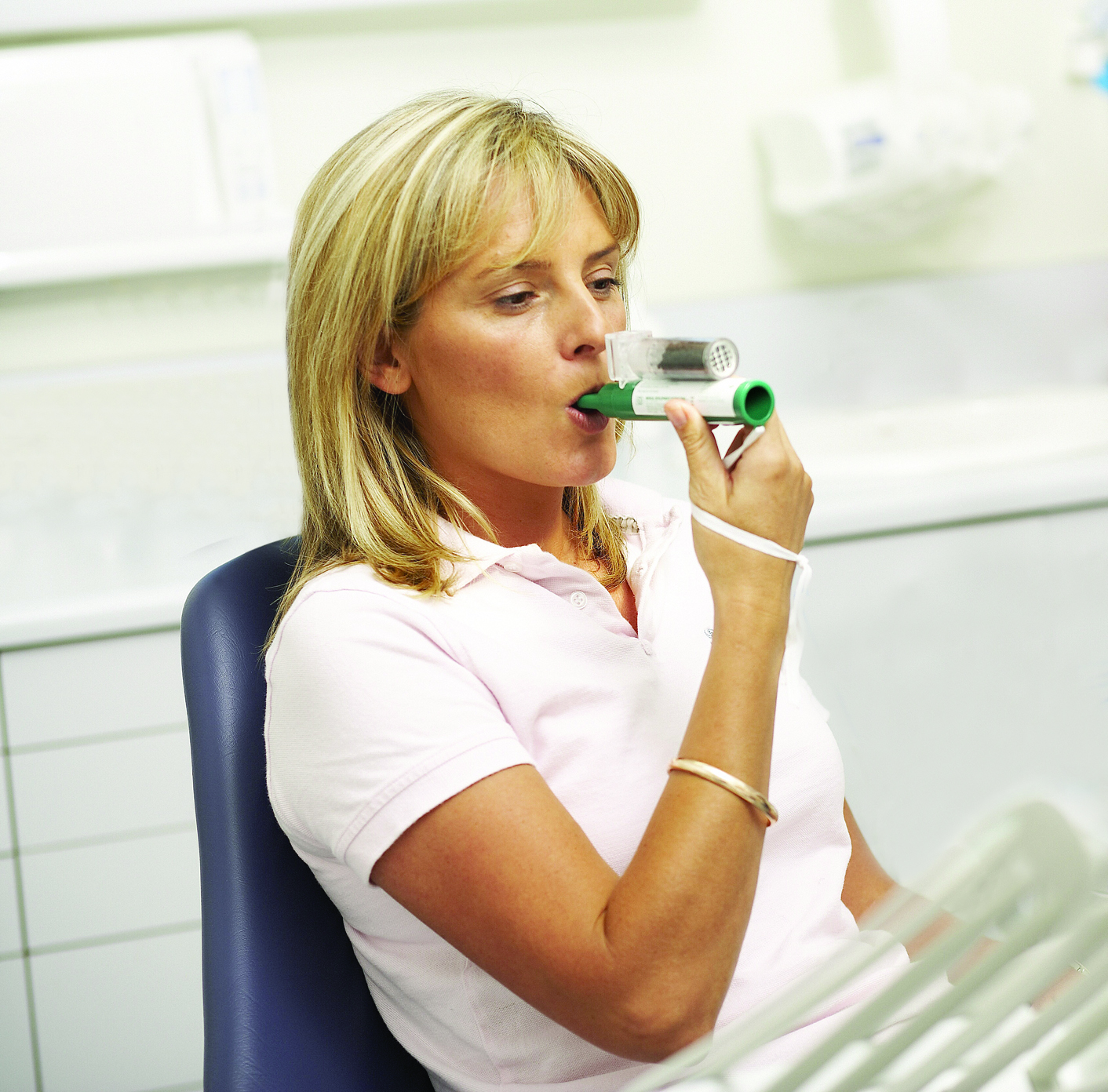
Analgesic pharmacology follows assessment, not before. Any kind of discomfort administration accreditation training course must press beyond memorizing doses. It needs to instruct titration principles, onset and period differences, collaborating strategies, and adverse effect reduction. Paracetamol and NSAIDs do important job if they are timed and combined properly. Opioids need watchfulness with respiration and sedation ranges. Ketamine belongs when opioid acceleration stalls, especially in trauma, but it brings dissociation and calls for clear approval when feasible and structured surveillance. Entonox is useful and fast for short treatments yet requires testing for entraped gas dangers. Regional emergency pain management anaesthetic strategies are effective when within range and competency.
Non-pharmacological approaches are more than home window clothing. Ice, immobilisation, altitude, splinting, comfortable placing, breathing training, diversion, and therapeutic reassurance reduce analgesic needs. In emergency situation discomfort administration, straightening these fundamentals quickly alters the trajectory. If you splint appropriately and position the arm or leg, the following 10 mins are calmer and much safer for titration.
Finally, governance and communication matter. In a busy corridor, it is easy to skip identification checks and allergy verification. The training needs to implement the technique of the five civil liberties of medicine, end tidal CO2 tracking where readily available, and clear handover: what you gave, when, exactly how the client responded, and what you plan next.
What PUAEME008 Appears like in Practice
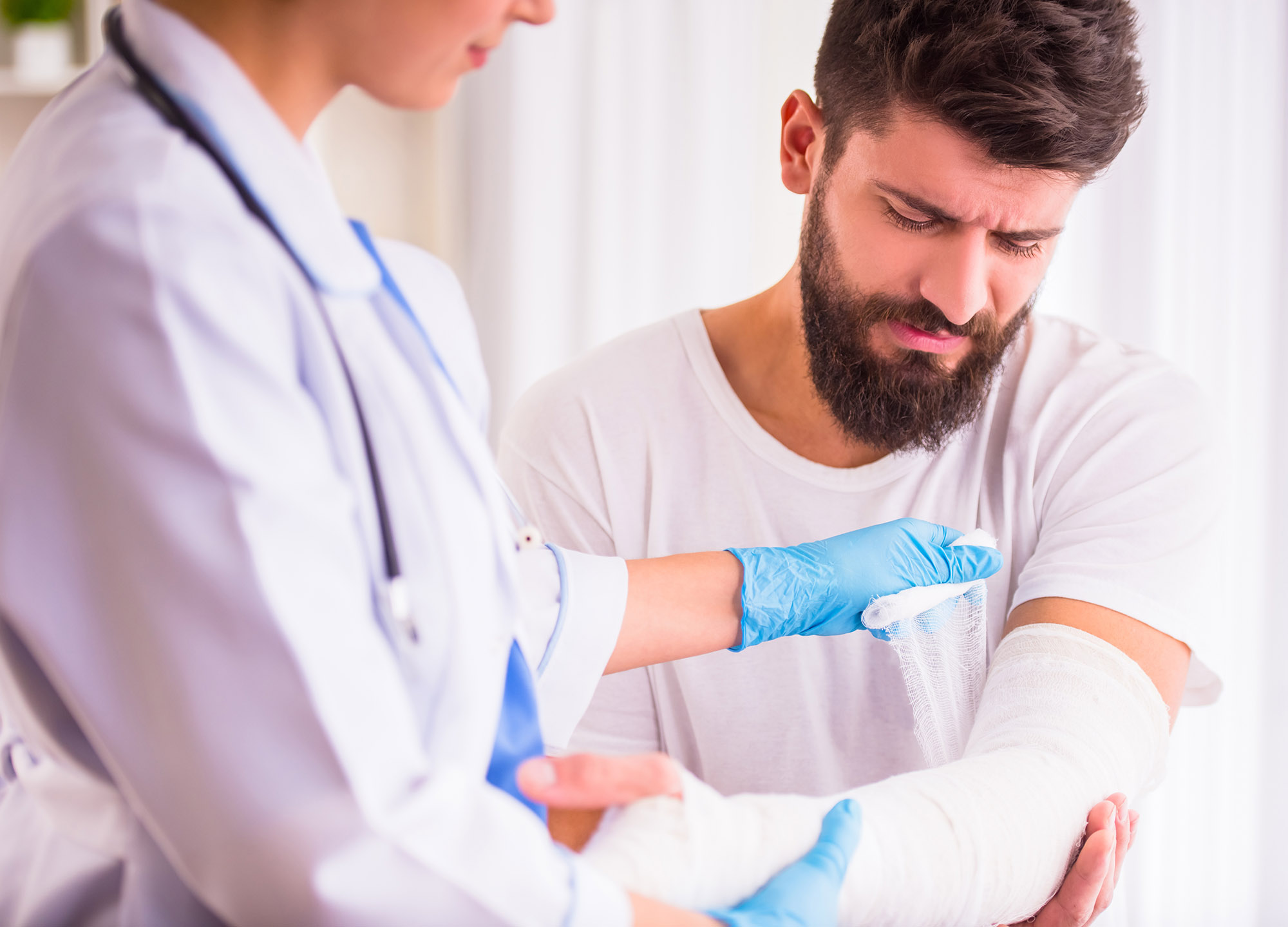
On a rainy weekend at a sporting activities ground, a 32-year-old professional athlete falls awkwardly and offers with evident forearm deformity. While your partner prepares the splint, you secure the arm or leg, apply ice bags, and start an organized analysis. Pain at remainder is 8 out of 10, even worse with activity. You pre-oxygenate briefly for Entonox, check contraindications, and after that coach the client on self-administered breathing while the splint goes on. Ball game goes down to 4 out of 10 after five minutes, sufficient to package the person securely. During transportation, you reassess. The inhaled analgesia has worn away slightly, so you provide an oral NSAID if not contraindicated and prepare for IV access at the medical facility for further management.
Different case. An older adult with a hip crack depends on a narrow hallway on the second floor. The staircases are limited. You provide reduced dose IV fentanyl in tiny increments, watching respiratory rate and sedation. You place the leg with mild traction and cushions, after that test activity. The patient's face tension softens. You stop briefly and observe for two mins before making a decision whether to give extra. Individuals desire an additional dosage rapidly, yet patience maintains you from going after short-term spikes and running the risk of hypoventilation during the carry down.
Now a child with a partial thickness melt to the forearm. The moms and dad fears and the child is hyperventilating. You prioritise cool running water for the melt, after that topical analgesia where proper, and disturbance. Ketamine might be thought about for debridement later, however, for transport the goals are convenience and depend on. PUAEME008 urges matching the approach to patient and atmosphere, rather than forcing a drug-centric remedy every time.

Designing a Mixed PUAEME008 Supply Pain Administration Course
An effective provide pain administration course that maps to PUAEME008 makes use of a split layout and clear evaluation standards. Begin with eLearning components that need interaction, not simply click-through slides. Learners must complete case-based quizzes that branch based upon options, with instant responses connected to evidence and standards. Assign 4 to 6 hours for the online sector if the system is stand-alone, more if it is packed with air passage or injury care.
The in person workshop works best at 1 day for loan consolidation, or 1.5 days if your cohort has broad variation in experience. Keep lecture time limited. Use micro-briefings of 10 to 15 minutes, then turn with scenarios. Consist of at the very least one paediatric case, one older grown-up, one step-by-step discomfort instance, and one circumstance where analgesia is contraindicated or needs care. Installed problems: light desaturation after opioid titration, emergence responses with ketamine, agitation in a nervous person, or Entonox not available at a remote site.
Assessment ought to be observed, structured, and fair. Usage lists that compensate great scientific judgment, not rote recitation. For example, as opposed to awarding points for pricing quote a standard dosage, honor points for calculating a weight-based dose correctly, explaining the reasoning, and checking suitably. Include a recorded discomfort management plan with reassessment intervals and acceleration or de-escalation triggers.
Finally, construct workplace application into the strategy. Students ought to complete a log of 3 to 5 actual cases, de-identified, with short representations on what changed after training. A train or elderly medical professional can sign off with comments. This shuts the loop from classroom to professional reality.
Tailoring for Different Disciplines
Pain administration programs for nurses commonly require to cover post-surgical pathways, PCA pump safety and security, opioid-sparing routines, and discharge education. Stress control with clinical prescribers, very early warning requirements for oversedation, and strategies to overview individuals with the very first two days after discharge. Registered nurses are uniquely placed to stabilize analgesia with mobilisation, digestive tract treatment, and queasiness prevention.
Pain monitoring courses for physiotherapists should integrate analgesia timing with functional goals. A 20 minute window after dental analgesia can be the difference in between guarded activity and effective stride re-training. Instruct physios to identify when pain is protective and when it has become maladaptive, and just how to instructor rated exposure. Include modules on communication strategies that reduce hazard understanding and discomfort catastrophising, which subsequently reduces analgesic reliance.
Prehospital and event medical professionals require focused emergency pain monitoring with functionalities: bring restrictions, oxygen gain access to, environmental challenges, and single-operator issue fixing. Teach them to construct a mental version of the pain gradually. The first reading at the scene is often undependable. A 2nd analysis after standard procedures can avoid overtreatment.
Multimodal Analgesia Without Guesswork
Multimodal approaches are not simply buzzwords. They help by attacking pain along various paths and by smoothing the tops and troughs that result in dosage stacking. A common mistake is to add multiple agents from the same class, or to time them in a way that hides unfavorable results till they collide.
Think in layers. Beginning with paracetamol if not contraindicated, then include NSAIDs where safe, and layer an opioid just if discomfort stays substantial or if the system suggests that non-opioids will underperform. For traumatic musculoskeletal pain, regional methods by trained clinicians can be definitive. For neuropathic attributes, early recommendation avoids chasing after greater opioid doses and unlocks to complements and education.
Another layer is environmental and psychological. Clarify what you are doing and why. Patients that really feel regulated and informed typically need much less medication. That is not sugar pill, it is physiology and depend on working with each other. For some, the appropriate words at the right time are as impactful as an additional 25 micrograms of fentanyl.
Safety Internet: Tracking and Escalation
Safety is not a checklist you tick once. It is a loop. Before you provide, you confirm identification, allergic reactions, baseline vitals, and threat variables. While carrying out, you titrate to effect with fixed review points. Afterward, you keep an eye on and make a decision whether to escalate, maintain, or back off.
For opioids, utilize unbiased sedation ranges and respiratory price, and when available, finish tidal CO2. A drop in respiratory system rate is late. Rising CO2 can caution you previously. Have reversal agents and a plan for assisted ventilation. For ketamine, prepare for appearance responses. A tranquil environment, a clear explanation, and a little benzodiazepine dosage in particular procedures can reduce that threat. For Entonox, display for digestive tract blockage, pneumothorax threat, or recent diving.
Documentation is another safety device. When you tape-record timing, dosage, path, and response, you decrease the possibility of doubling up and you create a narrative that assists the next clinician. The discomfort administration certificate many organisations issue is only like the practices it shows. Routines reside in documentation and handover as high as they live in your fingers.
Short Training courses hurting Management: What Works and What to Avoid
Short training courses suffering administration can improve details abilities swiftly, yet they need to not oversell. A two-hour workshop can develop your splinting and inhaled analgesia process, but it will not transform your strategy to intricate neuropathic discomfort. Pick a training course that clearly states its extent and analysis method.
Some training courses guarantee a pain management accreditation in a weekend break with hefty focus on unique methods. Be cautious of shiny content that ignores fundamental analysis. If participants leave without a strong grasp of red flags, contraindications, and notified approval, the course is not serving them. Look for programs that include follow-up touchpoints, such as instance examines at 4 to 6 weeks. Those reinforce change and maintain the discovering honest.
What to Anticipate from a Top Quality Discomfort Management Certification Course
When a company promotes a discomfort monitoring certification training course, see the certification as the endpoint of a series, not a memento. Solid programs show you a curriculum map, teacher qualifications, governance policies, and a prepare for remediation if you do not meet standard. They incorporate PUAEME008 Give discomfort administration or equivalent criteria where relevant, and they assess with scenarios that resemble your work, not abstract cases.
The much better courses likewise teach you how to measure results. That could indicate tracking a department's ordinary time to very first analgesia, the percentage of clients with recorded reassessment within 15 minutes, or the price of opioid dosage reductions in the first 1 day after surgery. These are not vanity metrics. They indicate routine modifications that reduce damage and enhance comfort.
Training for Teams, Not Just Individuals
Pain administration training for registered nurses, physio therapists, and first -responders has the best influence when groups train together. Shared language reduces rubbing. If the registered nurse and paramedic both utilize the same sedation range and the exact same review timetable, handovers are cleaner and mistakes decline. Group circumstances also uncover workflow grabs. I when saw a team find that their Entonox was saved in a secured cupboard on a various flooring than their splinting package. After a solitary drill, they relocated both to the very same trolley and cut minutes off their response.
Teams also enhance uniformity in person messaging. When everybody discusses the strategy with the same expressions, patients really feel continuity. That minimizes anxiousness and assists you make use of fewer drugs to achieve far better comfort.
Common Mistakes and How to Stay clear of Them
Several mistakes repeat across solutions and settings. Overreliance on a solitary representative brings about dosage stacking. Provide the medicine time to function, view, after that act. Underuse of non-pharmacological procedures is one more. A well-fitted splint and a tranquil area can spare a second opioid dose.
Documentation drift is a chronic concern. Active shifts erode good routines. Usage pocket motivates or electronic graph themes that require a review field. Advise associates that what is not composed becomes unnoticeable at the next handover.
Scope creep can occur after qualification. Someone learns a brand-new method, feels great, and starts using it in side cases without assistance. Great administration sets limits and provides pathways to extensive competencies with monitored practice, not ad hoc experimentation.
Crafting Your Course: Selecting the Right Pain Administration Training Courses
Choose based on your duty, your typical person profiles, and your service constraints. If you function event medicine with limited equipment, prioritise a PUAEME008-aligned workshop with strong simulation and transportation situations. If you are a ward nurse, search for a discomfort monitoring certification program that integrates PCA security, opioid-sparing techniques, and discharge planning. Physio therapists need to seek programs that connect analgesia timing and rated movement, with content on communication to decrease fear-avoidance.
Ask companies tough inquiries. Who shows the course and what is their existing scientific technique? How will they analyze you? What post-course assistance is consisted of? How is the discomfort monitoring certification verified? Do they map to identified systems like PUAEME008 Give discomfort monitoring? Response to these concerns anticipate training course worth far better than shiny brochures.
A Practical Framework You Can Use Tomorrow
Here is a portable structure that sustains secure, reliable treatment throughout settings.
- Assess extensively: system, warnings, standard vitals, discomfort descriptors, feature impact, psychosocial factors. Act in layers: non-pharmacological actions initially, then pharmacological agents timed and titrated, with multimodal combinations. Reassess intentionally: set a timer, check discomfort, feature, sedation, respiration, and make a decision to rise, sustain, or de-escalate. Communicate and file: share the strategy, capture dose-response timing, turn over clearly. Reflect and readjust: catch a short situation note later on, recognize what worked and what to improve.
This is not a method. It is a framework that transforms turmoil right into convenient actions. Follow it continually, and your outcomes enhance continuously without heroics.
The Worth of Accreditation When It Is Done Right
A discomfort administration qualification confirms that you satisfied a standard on a specific day. Its actual value is in the routines it cements and the self-confidence it makes from your peers and clients. When you finish a certificate course hurting monitoring that includes PUAEME008 Supply discomfort monitoring or its comparable, you are registering for a means of working: disciplined assessment, gauged intervention, thoughtful escalation, and precise handover.
Organisations that invest in discomfort monitoring training programs with blended delivery see tangible gains. Less people wait greater than 20 minutes for very first analgesia. Less experience oversedation. Personnel record a lot more self-confidence in dealing with intricate pain without reflexively grabbing greater dosages. Those results are not immediate, however they build up as staff repeat the self-control day after day.
The best part is that this technique scales. It helps in a loud hallway, on a cot in the rainfall, in a post-op bay at 3 a.m., and in the quiet discussion prior to a patient takes their very first steps after surgical procedure. Mixed learning, secured by robust devices like PUAEME008, turns discomfort management from a collection of techniques right into an incorporated scientific craft.